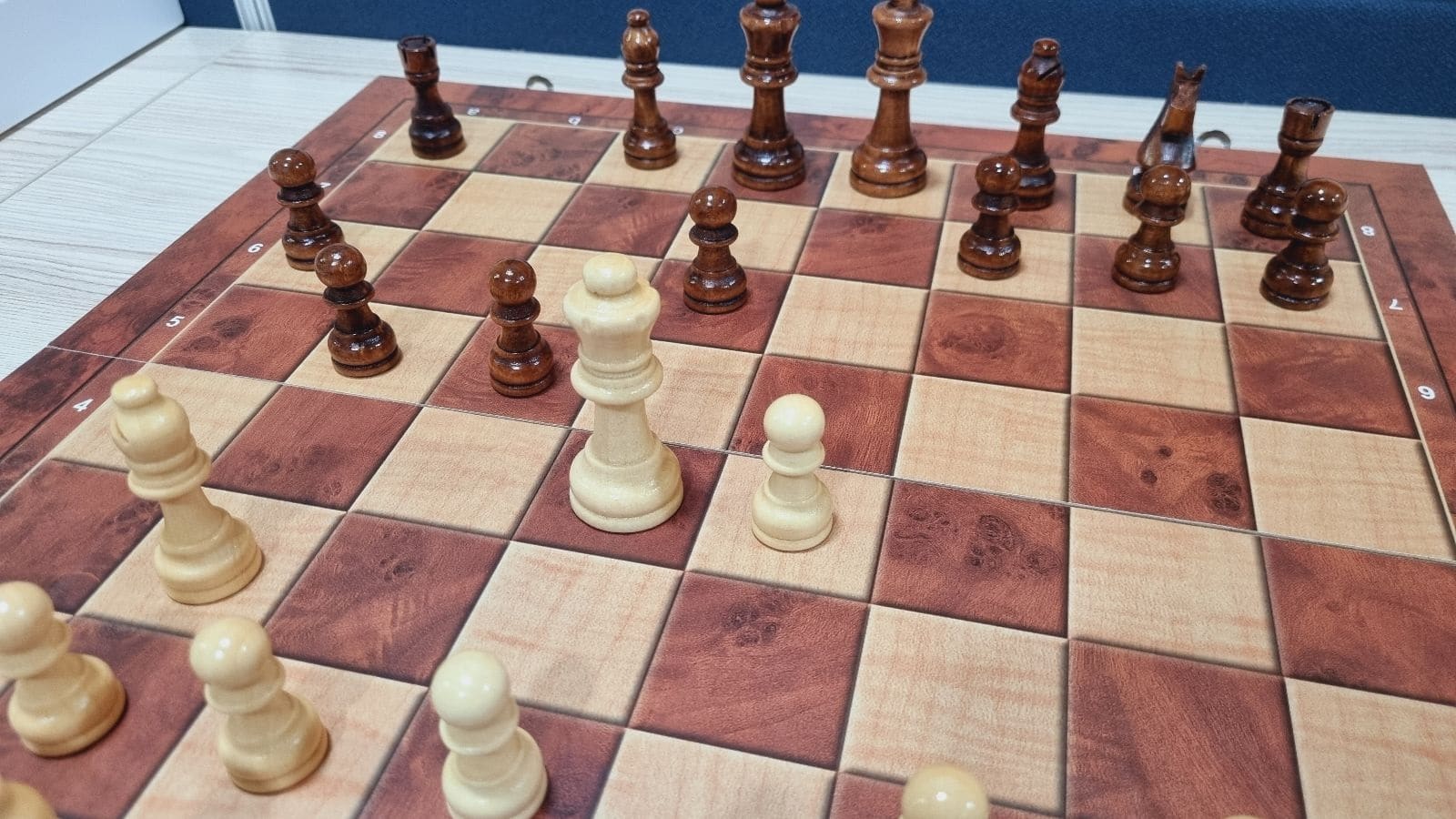
What Is The Noah’s Ark Trap In Chess?
Even though it is the first trap learned by so many players, Noah’s Ark never falls into disuse. While there are beginners, the trap should … Read more
Even though it is the first trap learned by so many players, Noah’s Ark never falls into disuse. While there are beginners, the trap should … Read more
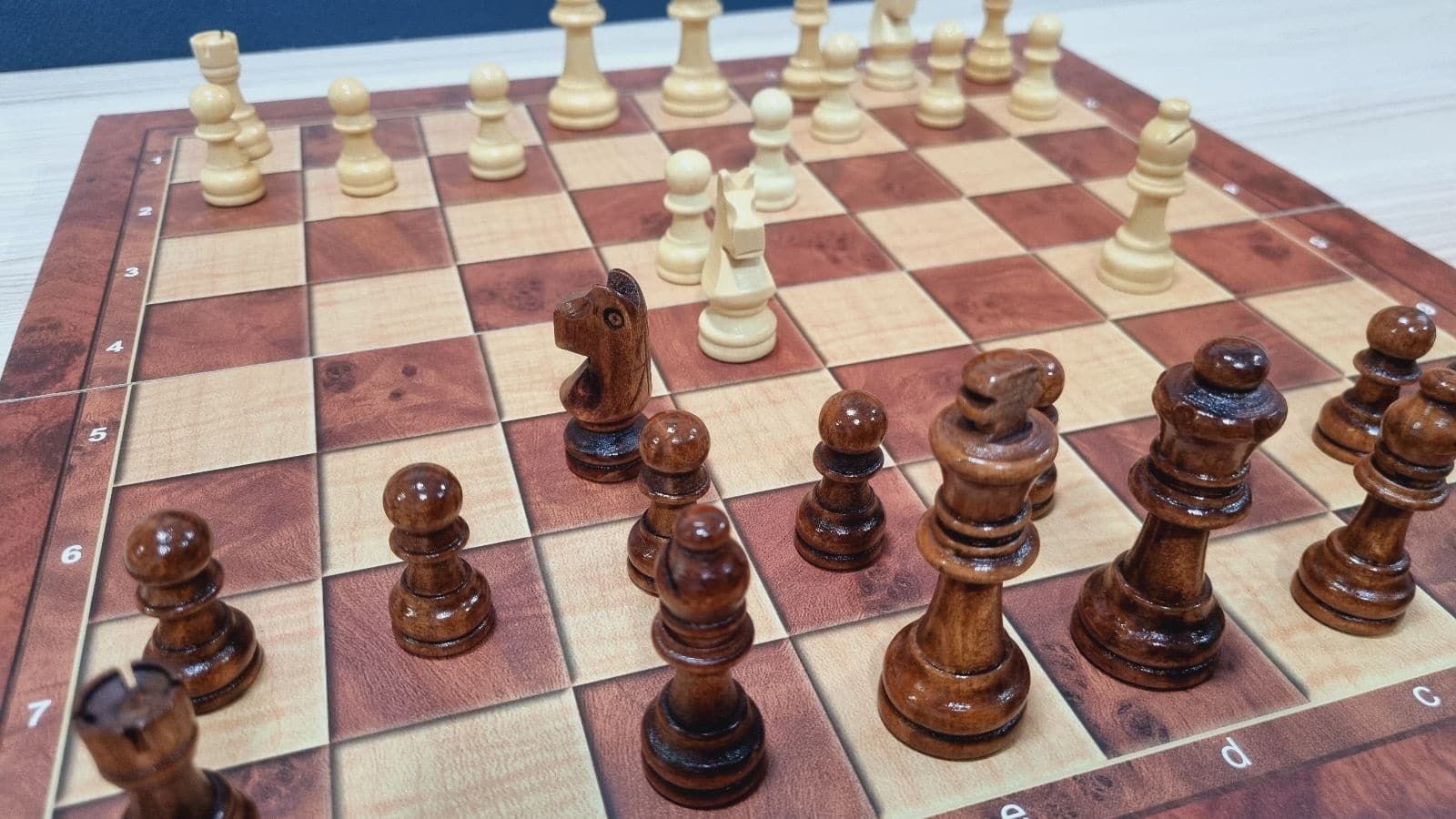
Among the most used traps, especially for less experienced players, the Mortimer is still widely used. Some players consider it to be one of the … Read more
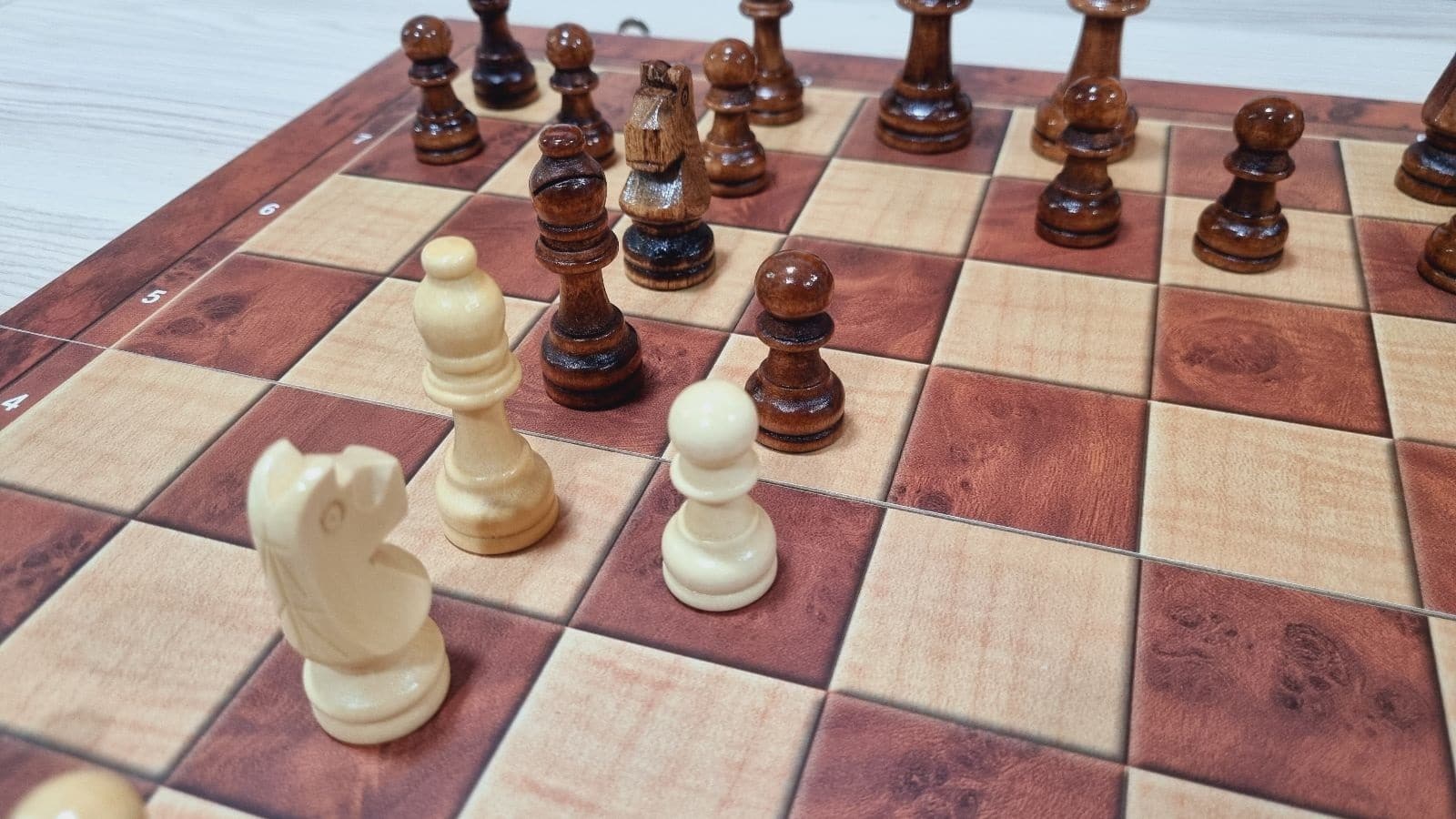
The copycat, as the name says, is a trap that is caused by a player who is mimicking the moves made by the player on … Read more
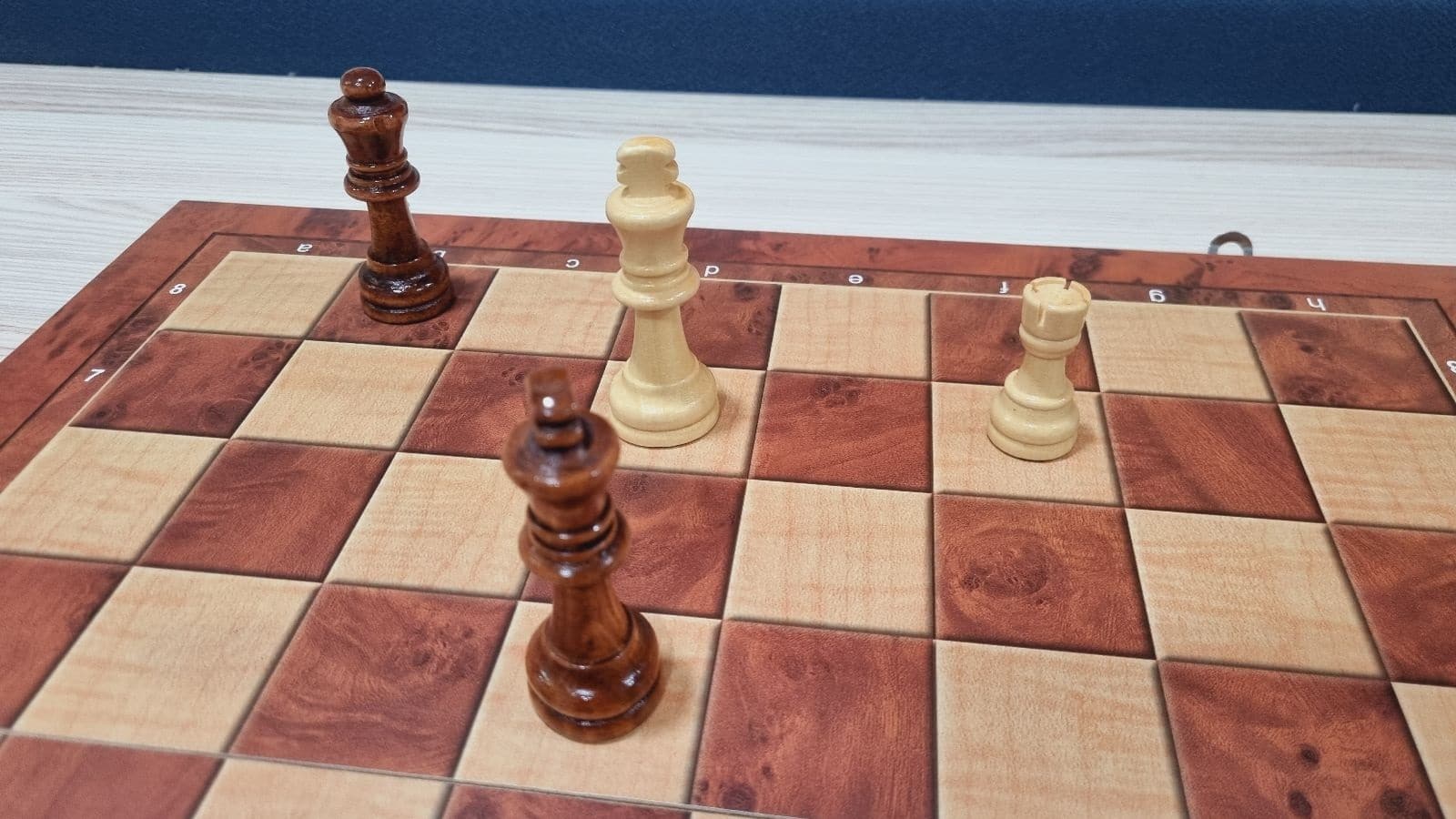
In any normal chess match, a queen should beat a rook. That is mainly due to the queen’s larger movement range and the possibility of … Read more
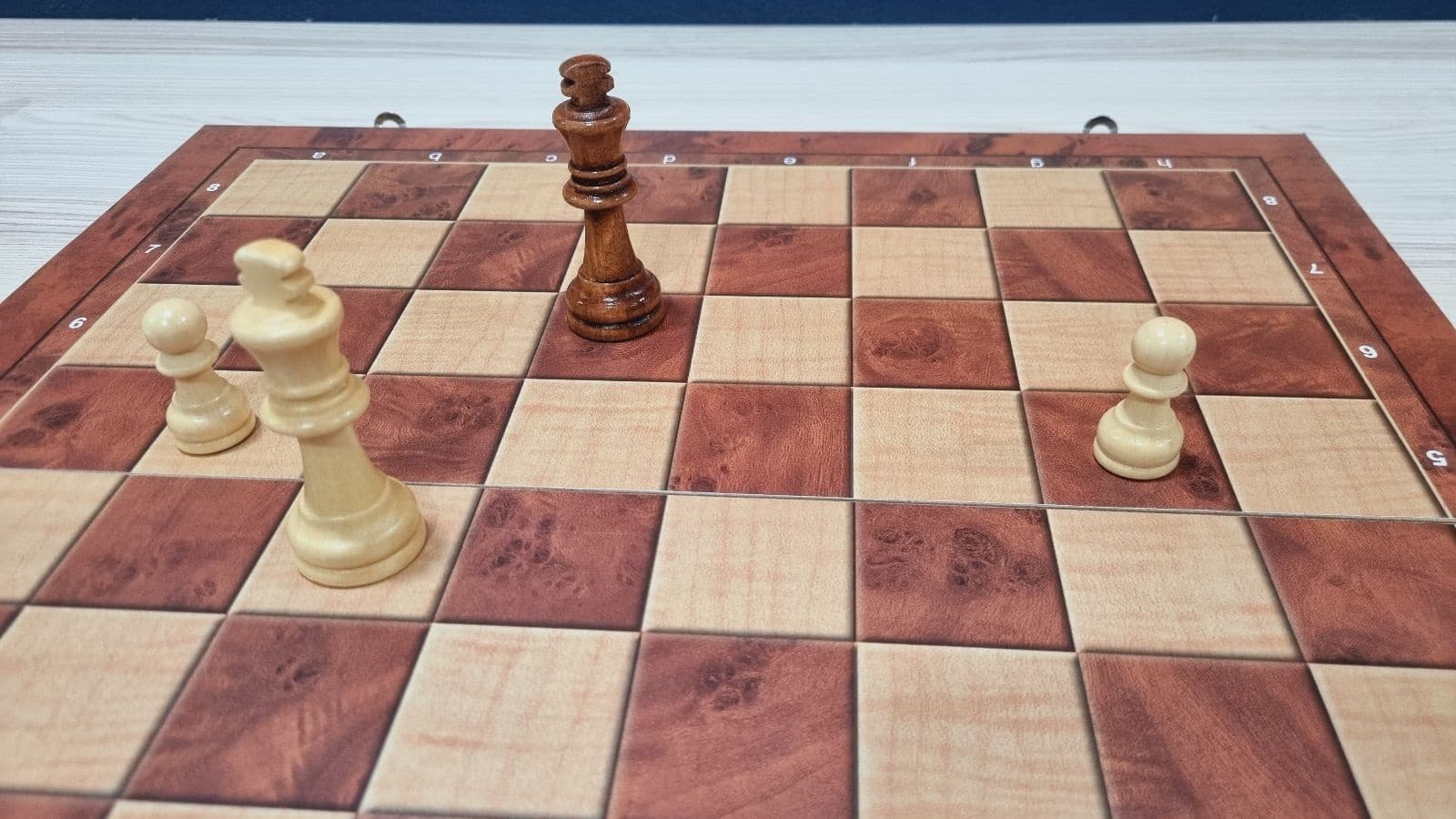
Some pieces are more present in endgames, mostly due to the moment they join the battle. The rooks, for one, the only pieces that can … Read more
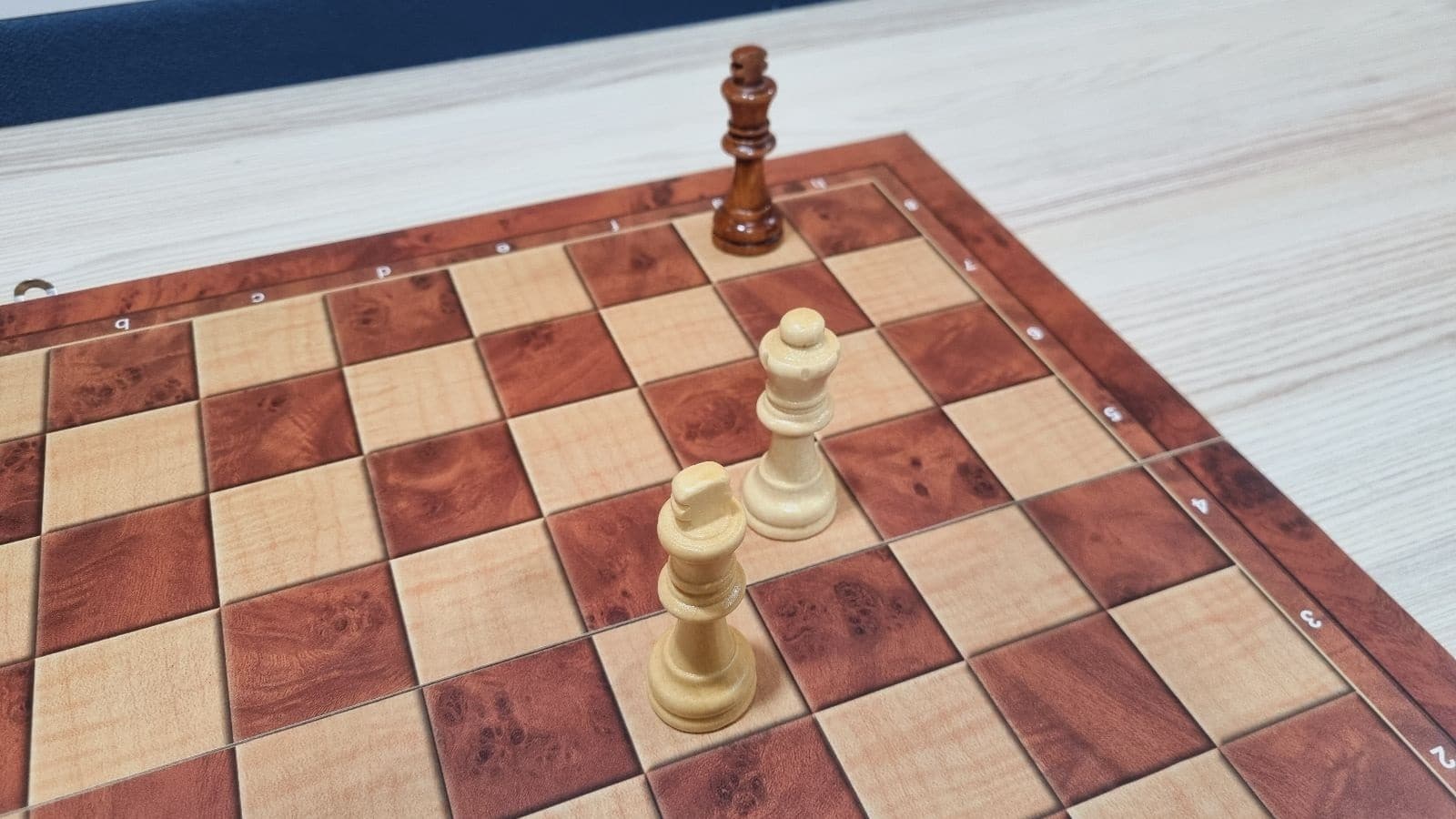
A king, just like any piece, can find itself trapped when put in such a situation that most or even all possible moves should result … Read more
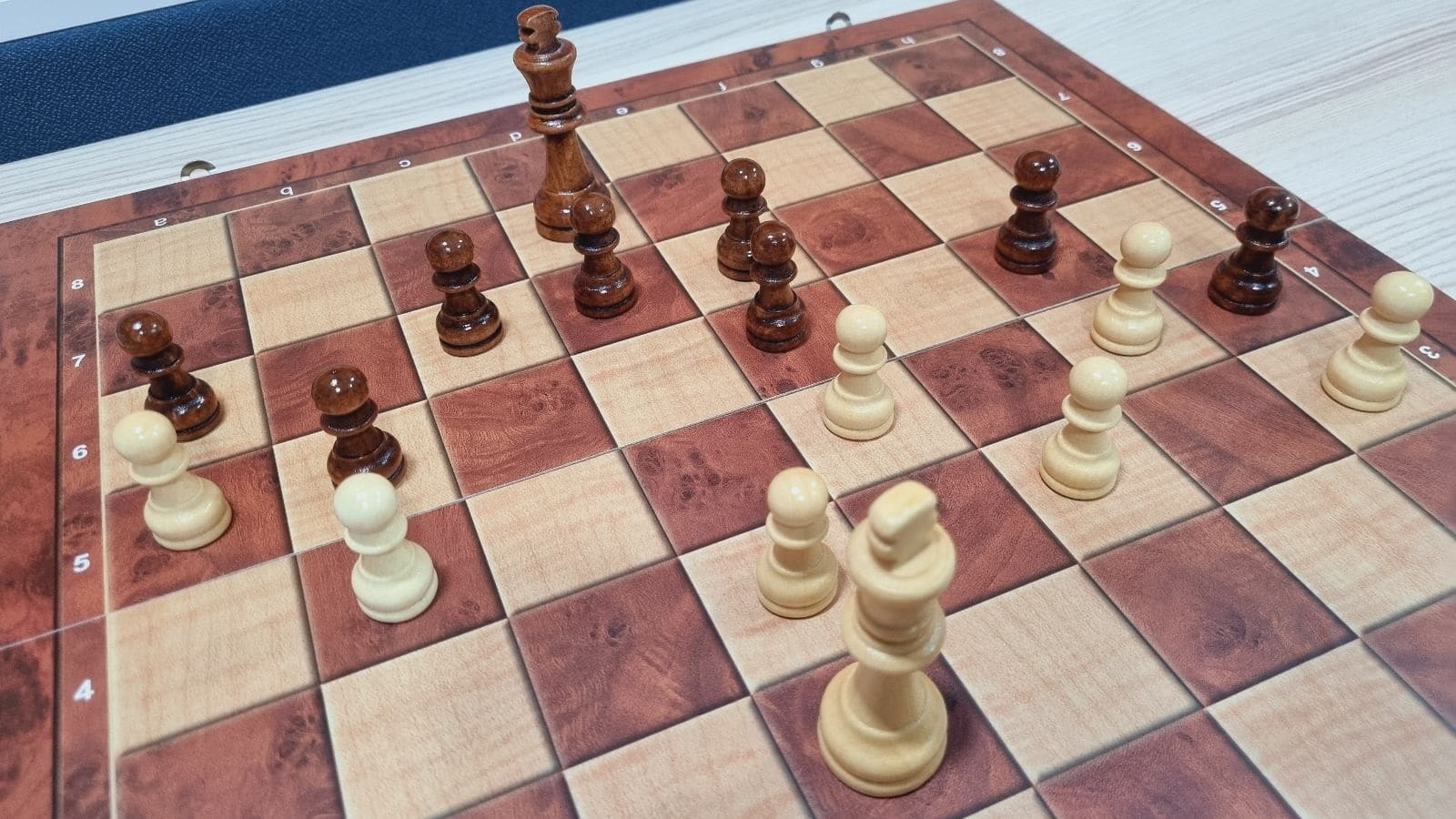
There is no denying that mastering chess involves developing a series of skills. Most beginners focus on endgame features such as checks or mates, and, … Read more
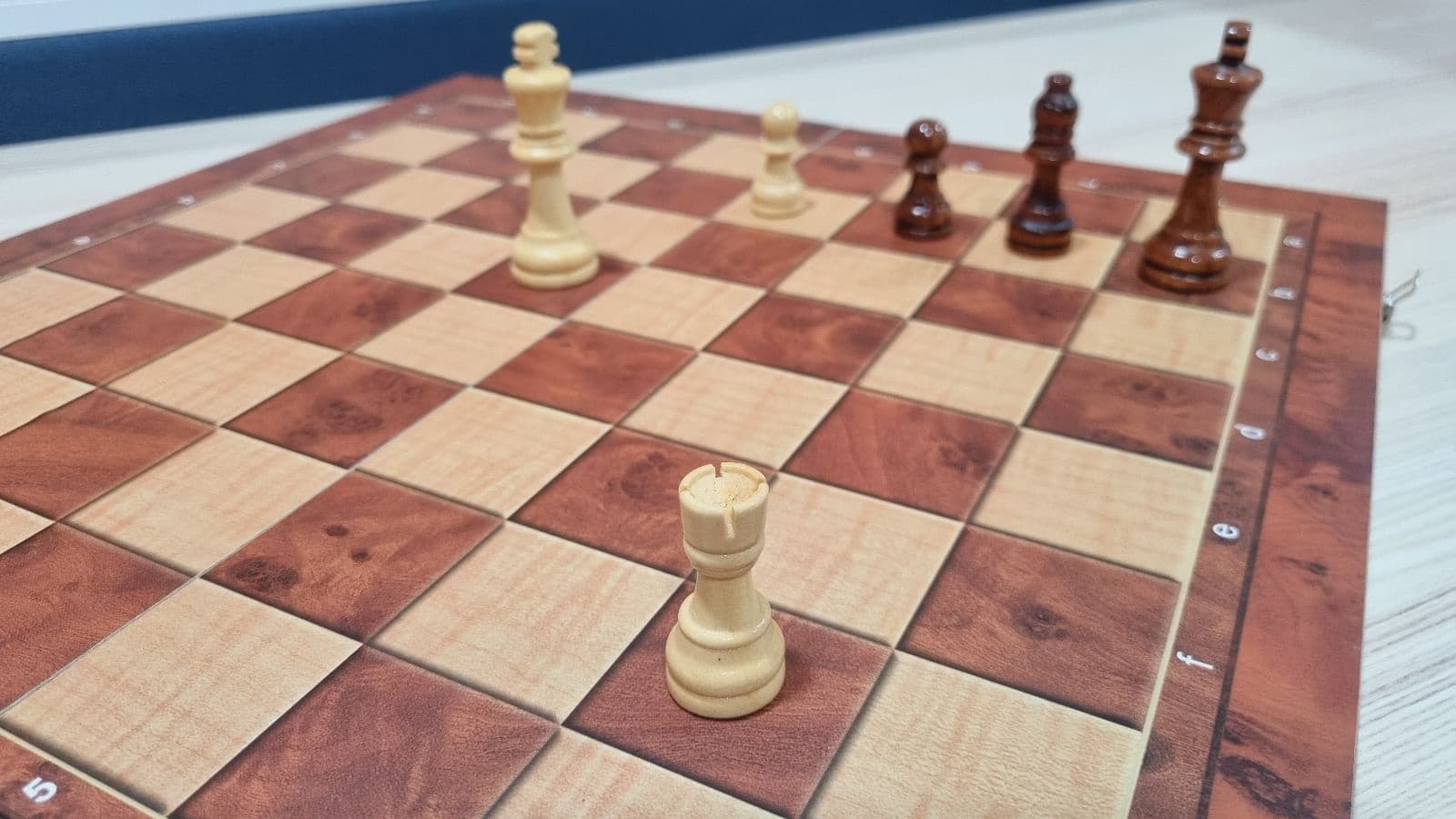
Pawns are efficient but limited defense-wise. Players are usually not afraid to sacrifice pawns since they rarely constitute a material disadvantage when captured. Also, expendable … Read more
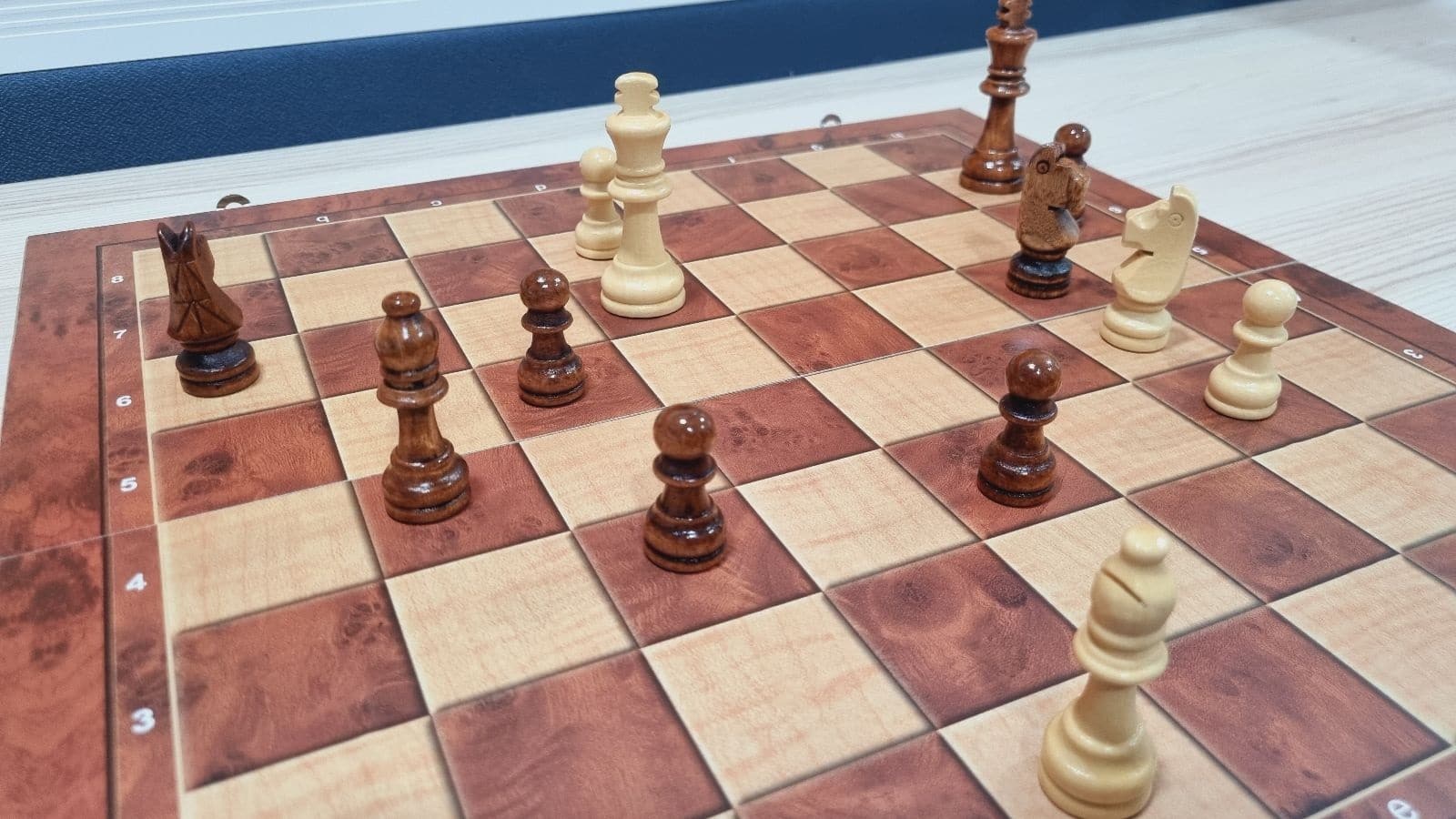
When learning to play chess, there are many things that can come to one’s aid. Besides studying the theoretical aspects of the sport through manuals, … Read more
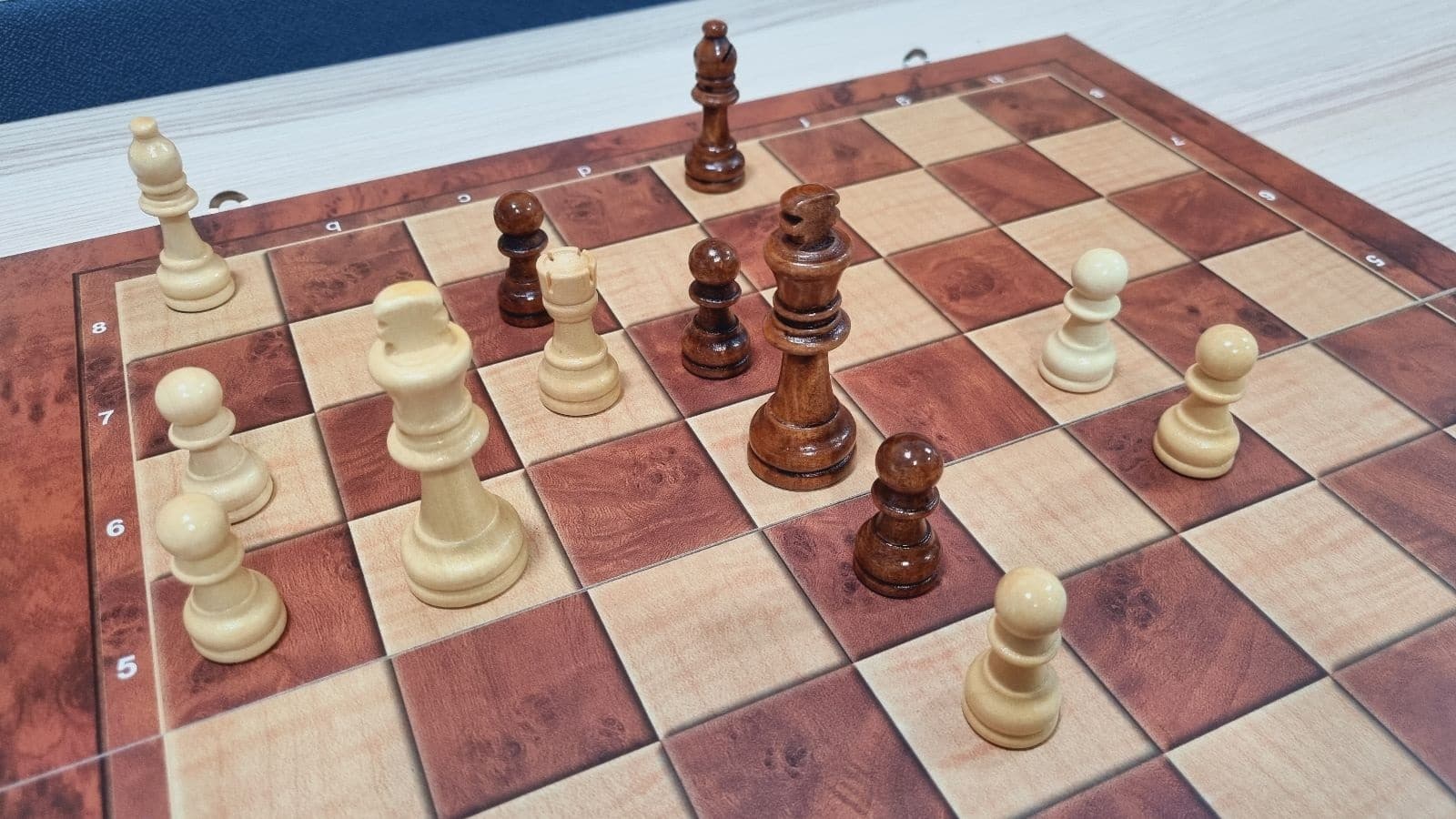
Mastering a game or sport takes a great deal of practice and, depending on the choice, even a bit of talent may be required before … Read more